How smoking children set the phone on fire.
Michigan Department of Community Health
With a significantly reduced budget, spreading an anti-smoking message and offering smokers a free phone counselor would be difficult. Smokers knew the facts about their dangerous habit, and many had tried to quit before but were unsuccessful. We needed an unexpected approach to make them listen.
We believed smokers might not quit for themselves, but they'd quit for their children. With this memorable campaign, calls to the Quitline jumped from 227 to over 1,000 a month. The campaign's influence grew as health departments in other states requested to run the spots. The spots won prestigious Radio-Mercury and Mobius awards.
How we unwrapped the sweet spot on the world’s favorite Ham.
The HoneyBaked Ham Company
Since 1957, HoneyBaked had a featured place at the table for special family occasions. But when HoneyBaked’s patent for spiral-sliced hams expired, the company saw more competition and a decline in market share. The company asked Brogan & Partners to reintroduce the HoneyBaked brand to a newer, Internet generation while maintaining their loyal customer base.
Optimizing a 21st century marketing strategy and tapping into the strong emotional connection families have for the beloved HoneyBaked brand, we found the sweet spot. Our four year marketing effort has resulted increased holiday web traffic by over 104%, increased coupon redemptions, a 3700% growth in VIP customer email database, and increased sales despite the down economy.
How we gave Covenant a brand for all ages.
Covenant HealthCare
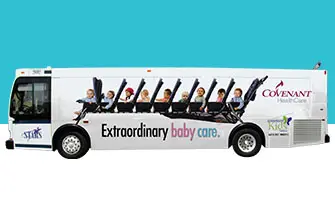
Covenant needed a new campaign that set it apart in an increasingly competitive hospital environment. The campaign had to increase positive awareness and determine Covenant's key differentiator–its comprehensive care you can depend on through every life stage.
We rebranded Covenant as "Extraordinary care for every generation." Call center volume and website visits increased exponentially, and the campaign received positive internal support. The brand TV spot won a Silver award in the prestigious Healthcare Advertising Awards.
How we kept gamblers from losing it all.
Michigan Department of Community Health
As gambling continued to become more available in the state, the Michigan Department of Community Health was looking for a way to reach people with potential gambling problems. MDCH wanted to offer confidential, 24-hour counseling support for those who gamble more than they can afford to lose.
We created a dramatic and emotional campaign that included television, print and interactive rich media. Our expandable rich media alone generated over 1.2 million impressions in less than six months, and an average expansion rate of 6.44%, considerably higher than the industry average of 1.6%.
How bringing the audience to tears made our client smile.
St. John Health
St. John Health, a nine-hospital health system, needed a strong, unifying brand. The hospital needed a greater emotional connection to its audience and an increased brand differentiation to set them apart in the extremely competitive Southeastern Michigan marketplace.
We promoted positive awareness of St. John Health and their dedication to treat the whole person: body, mind and spirit. Our poignant TV and radio spots made listeners cry, but it also made them call–along with increased physician referral volumes, we significantly increased web/call center traffic.
How a Comcast microsite enlightened Chicago.
Comcast-Chicago
Comcast was in the throes of launching new products and battling major competitors for market leadership. Brogan was to amplify Comcast's traditional advertising campaign to include interactive digital and establish a brand presence with a hard-to-reach, web-savvy target audience.
We created the guru campaign to help guide consumers on the path to technological enlightenment. With over 23,000 visitors, the guru microsite captivated potential customers with Comcast's "Triple Play" product benefits and persuaded them to convert to the brand. Comcast retained its dominant leadership in the Chicago market.
How our ads in restrooms got careers out of the toilet.
ClickOnCareers.com
Despite the dramatic growth in the number of "technical" jobs available in Southeastern Detroit, there was a shortage of "technical" workers in the area. ClickOnCareers was created to link potential employers with training, education and future employees.
We created awareness among high school students and graduates about ClickOnCareers.com. From restroom posters to bar coasters, we used traditional and guerilla advertising tactics to increase the number of technical and skilled laborers in the area. The site obtained an average of 9,000 visitors in the first three months.
How a strike-out stroke campaign hit a home run.
North Carolina Department of Health and Human Services
At-risk demographics in certain counties of North Carolina had no idea what blood pressure numbers meant. We had to educate the target audience about heart disease and stroke prevention by informing them about proper blood pressure levels and how to identify the warning signs for stroke.
We offered a memorable and informative campaign–82% of respondents to a post-campaign survey could describe the television commercials. 92% of respondents said they would immediately call 911 if they experienced stroke symptoms. Awareness of lesser-known stroke symptoms jumped about 25%.
How a fuel dispenser company pumped up a new image.
Gilbarco Veeder-Root
Long a leader in the gas "dispensing" industry, Gilbarco Veeder-Root was also a leader in technology. While the company itself had unmatched convenience store expertise and innovative, comprehensive products, their image hadn't caught up. We needed to establish a clear brand for Gilbarco.
We brought a human touch to technology through direct mail, advertising, collateral material, interactive tools and a microsite. The consistent brand campaign helped them exceed sales forecasts and secured them the technology leadership position. International affiliates are now adopting the brand.
How we helped a union find its voice.
United Auto Workers
Due to the economic downturn and the woes of domestic auto companies, the UAW was at a crossroads with a once-in-a-lifetime opportunity to reinvent itself. Union workforces were seen as a liability. The UAW needed to energize and inspire its members and change the way they were perceived.
We created the "I am UAW" national television and social media campaign to allow the powerful voices of UAW members to be heard. Using member stories, eBlasts, and blogger outreach to drive people to the site, it received nearly 20,000 visits just 6 months after the launch.
How we used their heads and our brains to create a smarter brand.
University of Toledo Medical Center
UTMC was perceived as a "small fish" in an area of big competitors. We needed to develop a brand identity that would positively distinguish UTMC and highlight its unique competitive advantage–university quality care from the only academic medical center in the region.
We used real patients to demonstrate UTMC's "Higher Degree of Healing." The campaign increased website and phone traffic significantly, and we received extremely positive feedback from physicians and associates, as well as greater internal pride and a strong brand identity.
How our kids sing the darndest things.
Michigan Department of Community Health
Parents smoking around children is a deadly serious issue. Our target audience is parents of children, specifically mothers and pregnant women. With a small budget and a very specific audience, we wanted to motivate smokers to pick up the phone to call the Michigan Department of Community Health’s Michigan Tobacco Quitline.
Research shows that the number one motivator for people to quit smoking is the negative impact on the health of their children. Even though most smokers are aware that secondhand smoke is harmful, it’s motivating to remind parents of the hazard and give them a free and effective resource to help them quit.
For this campaign, our creative director took an old, classic, public domain song “Secondhand Rose” and re-wrote the lyrics from a child’s perspective. An engaging youngster outlines for parents the dangers of secondhand smoke. Working within our budget, we were able to produce a memorable longer-format YouTube video that has been hugely successful with more than 6,000 views and counting. The Quitline received 874 calls, including a significant number of pregnant women, an important part of the target audience. We supported this with radio media as well.